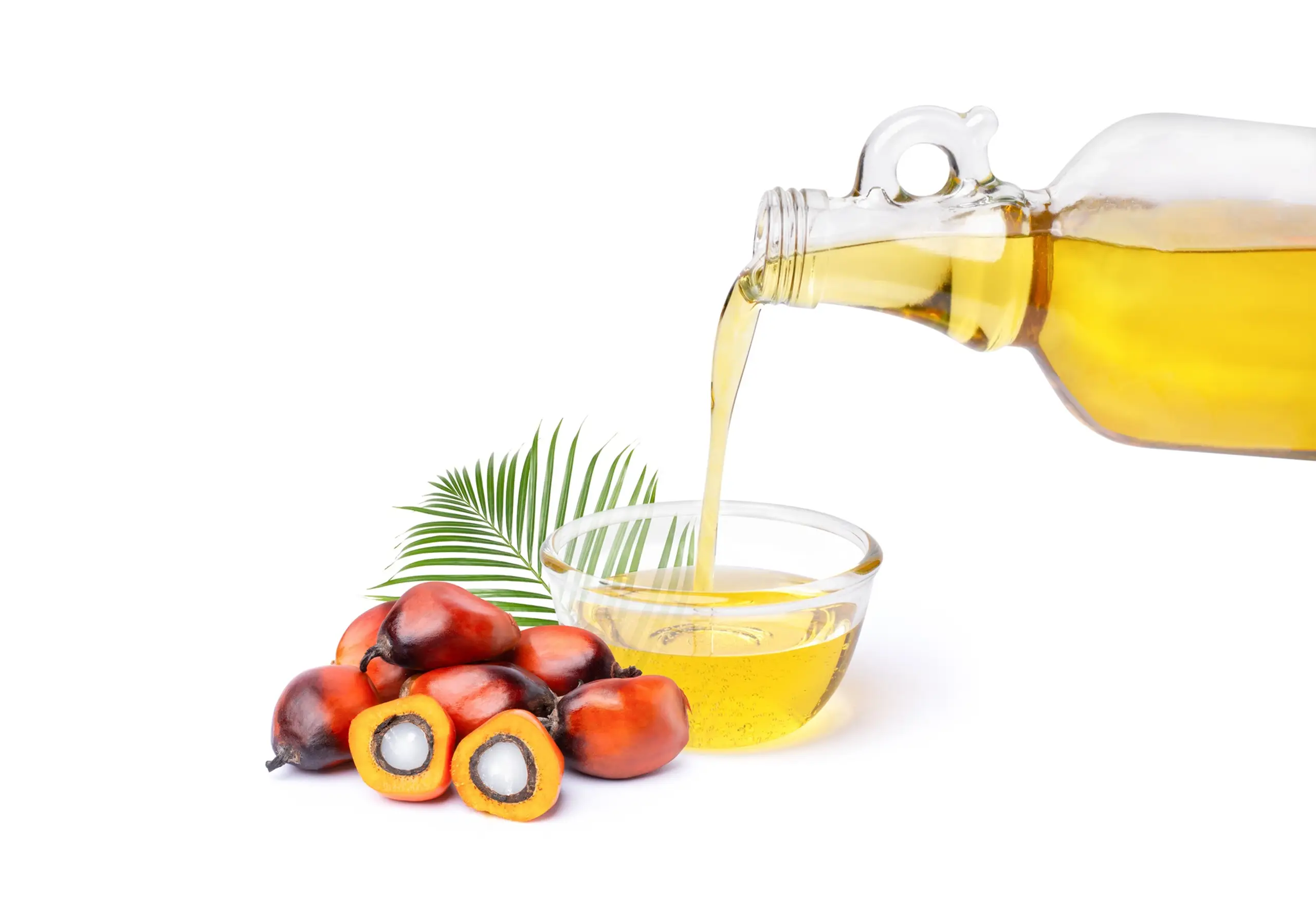
In an age where sustainability and environmental consciousness have become paramount, understanding the nuances of palm oil production is essential for making informed choices. Among the various certifications available, RSPO Fully Segregated Palm Oil stands out as a beacon of hope for both consumers and producers. But why does this matter? Adopting this certification not only supports environmentally responsible farming practices but also promotes fair treatment of workers and local communities involved in its production. As consumers increasingly seek transparency in their purchasing decisions, embracing RSPO Fully Segregated Palm Oil is a compelling step towards a more sustainable lifestyle. By digging deeper into what this certification means, we can pave the way for a future where our consumption choices align with our values, fostering a healthier planet for generations to come. Join us as we explore the significance of RSPO Fully Segregated Palm Oil and its vital role in the quest for sustainable living.
What is Fully Segregated Palm Oil?
Fully Segregated Palm Oil refers to a specific type of palm oil certified by the Roundtable on Sustainable Palm Oil (RSPO). This certification ensures that the palm oil is kept separate from conventional palm oil throughout the entire supply chain, from plantation to end product. This means that the RSPO certified palm oil is not mixed with non-certified palm oil at any point, guaranteeing that the final product contains 100% RSPO certified palm oil. The segregation process is rigorous and requires strict adherence to predefined standards, ensuring traceability and transparency.
The RSPO certification process involves multiple stakeholders, including growers, processors, manufacturers, and retailers, all of whom must comply with the principles and criteria set by the RSPO. These criteria cover a range of factors, including environmental responsibility, social equity, and economic viability. The goal is to ensure that the palm oil is produced in a manner that minimises negative impacts on the environment and local communities while promoting sustainable agricultural practices.
The importance of Fully Segregated Palm Oil lies in its ability to provide consumers with a clear and reliable choice. By choosing products that contain RSPO Fully Segregated Palm Oil, consumers can support sustainable palm oil production and contribute to the preservation of biodiversity and the well-being of communities that depend on palm oil cultivation. This certification empowers consumers to make informed decisions that align with their values and promote a sustainable future.
The Importance of Certification in Palm Oil Production
Certification in palm oil production is crucial for several reasons. Primarily, it provides a framework for sustainable practices that can be adopted by producers. This framework helps to mitigate the environmental and social issues associated with palm oil cultivation, such as deforestation, habitat destruction, and poor working conditions. By adhering to certification standards, producers can ensure that their operations are sustainable and ethical, benefiting both the environment and the people involved in the industry.
Certification provides a level of assurance to consumers that the products they purchase meet certain sustainability criteria. With the increasing demand for transparency and accountability in supply chains, certification serves as a valuable tool for consumers who wish to make responsible choices. It allows consumers to identify and support products that are produced in a sustainable manner, thereby driving demand for more sustainable practices within the industry.
Certification also plays a vital role in promoting continuous improvement within the palm oil industry. The RSPO, for example, regularly reviews and updates its principles and criteria to reflect the latest scientific knowledge and best practices. This iterative process ensures that the standards remain relevant and effective in addressing the evolving challenges of palm oil production. By participating in certification schemes, producers are encouraged to continuously improve their practices, leading to better environmental and social outcomes over time.
Environmental Impact of Palm Oil Cultivation
Palm oil cultivation has been a significant driver of deforestation and habitat destruction in tropical regions, leading to the loss of biodiversity and the displacement of indigenous communities. The expansion of palm oil plantations has often come at the expense of rainforests, which are home to a vast array of plant and animal species. This destruction of natural habitats has had devastating consequences for wildlife, including endangered species such as orangutans, tigers, and elephants, whose populations have been severely impacted by deforestation.
In addition to habitat destruction, palm oil cultivation can contribute to climate change through the release of greenhouse gases. When forests are cleared for plantations, carbon stored in the vegetation and soil is released into the atmosphere, contributing to global warming. Furthermore, the drainage of peatlands for palm oil cultivation releases significant amounts of carbon dioxide, exacerbating the problem. The environmental impact of palm oil cultivation is thus a major concern, highlighting the need for sustainable practices that minimise these negative effects.
Sustainable palm oil production aims to address these environmental issues by promoting responsible land use and conservation practices. This includes implementing no-deforestation policies, protecting high conservation value areas, and restoring degraded lands. By adopting these practices, producers can reduce their environmental footprint and contribute to the preservation of vital ecosystems. Sustainable palm oil production also emphasises the importance of maintaining soil health and water quality, further mitigating the environmental impact of cultivation.
How Fully Segregated Palm Oil Supports Biodiversity
Biodiversity is essential for the health and resilience of ecosystems, and its preservation is a key component of sustainable development. Fully Segregated Palm Oil supports biodiversity by ensuring that the palm oil is produced in a manner that minimises harm to natural habitats and promotes conservation efforts. This is achieved through adherence to the RSPO principles and criteria, which include measures to protect high conservation value areas, avoid deforestation, and implement best management practices for sustainable agriculture.
One of the critical ways Fully Segregated Palm Oil supports biodiversity is by preventing the conversion of forests and other natural habitats into palm oil plantations. This helps to preserve the habitats of numerous plant and animal species, many of which are endangered or threatened. By maintaining these natural habitats, the certification helps to ensure the survival of species that rely on these ecosystems for food, shelter, and breeding grounds. This, in turn, contributes to the overall health and stability of the environment.
Additionally, Fully Segregated Palm Oil promotes the use of environmentally friendly agricultural practices that reduce the impact of palm oil cultivation on surrounding ecosystems. This includes implementing integrated pest management techniques to minimise the use of harmful chemicals, maintaining buffer zones along waterways to protect water quality, and promoting the use of cover crops and other soil conservation methods. These practices help to maintain the ecological balance and support the diversity of species within and around palm oil plantations.
The Role of RSPO in Promoting Sustainable Practices
The Roundtable on Sustainable Palm Oil (RSPO) is a multi-stakeholder organisation that brings together producers, processors, retailers, NGOs, and other stakeholders to promote the sustainable production and use of palm oil. Established in 2004, the RSPO has developed a comprehensive set of principles and criteria that define what constitutes sustainable palm oil production. These standards cover a wide range of issues, including environmental protection, social responsibility, and economic viability, and are designed to ensure that palm oil is produced in a way that benefits people and the planet.
The RSPO plays a crucial role in promoting sustainable practices by providing a certification system that recognises and rewards producers who adhere to its principles and criteria. This certification system includes several supply chain models, such as Identity Preserved, Segregated, and Mass Balance, each with varying levels of traceability and assurance. Fully Segregated Palm Oil, for example, ensures that the certified palm oil is kept separate from non-certified palm oil throughout the supply chain, providing a high level of assurance to consumers.
In addition to certification, the RSPO engages in various initiatives to support the adoption of sustainable practices within the palm oil industry. This includes providing training and capacity-building programs for producers, conducting research and development on sustainable agriculture techniques, and fostering collaboration and dialogue among stakeholders. The RSPO also works to raise awareness about the importance of sustainable palm oil and encourage the demand for certified products among consumers and businesses.
Consumer Awareness and the Demand for Sustainable Palm Oil
Consumer awareness and demand for sustainable palm oil have been steadily increasing as people become more conscious of the environmental and social impacts of their purchasing decisions. This growing awareness is driven by various factors, including media coverage of the issues associated with palm oil production, campaigns by environmental and social advocacy groups, and the availability of information on sustainable products. As a result, consumers are increasingly seeking out products that align with their values and support sustainable practices.
The demand for sustainable palm oil is further bolstered by the actions of companies that are committed to sustainability. Many businesses have made public commitments to sourcing 100% sustainable palm oil and have implemented policies to ensure that their supply chains are free from deforestation and other harmful practices. These commitments not only help to drive demand for certified sustainable palm oil but also send a strong signal to producers that there is a market for responsibly produced palm oil.
Consumer awareness and demand for sustainable palm oil play a critical role in driving change within the industry. By choosing products that contain RSPO Fully Segregated Palm Oil, consumers can support sustainable practices and encourage more producers to adopt responsible methods of cultivation. This, in turn, helps to create a positive feedback loop, where increased demand for sustainable palm oil leads to more sustainable production, benefiting the environment and communities involved in palm oil production.
Challenges Facing the Palm Oil Industry
Despite the progress made in promoting sustainable palm oil, the industry still faces several significant challenges. One of the primary challenges is the economic pressure faced by smallholder farmers, who often lack the resources and knowledge to implement sustainable practices. These smallholders make up a substantial portion of palm oil producers and play a crucial role in the supply chain. However, the transition to sustainable production can be costly and complex, requiring support and incentives to make it feasible for these farmers.
Another challenge is the issue of traceability and transparency in the palm oil supply chain. The palm oil supply chain is highly complex, involving multiple intermediaries and processing stages, which can make it difficult to ensure that the palm oil used in products is sustainably sourced. While certification systems like RSPO provide a framework for traceability, there can still be gaps and weaknesses that need to be addressed to ensure that all stakeholders are held accountable.
Furthermore, there are ongoing issues related to land rights and social justice within the palm oil industry. Indigenous communities and local populations have often been adversely affected by palm oil plantation expansion, facing displacement and loss of livelihoods. Ensuring that the rights and well-being of these communities are protected is essential for achieving truly sustainable palm oil production. This requires robust mechanisms for conflict resolution, fair compensation, and inclusive decision-making processes.
How to Identify and Choose Products with Fully Segregated Palm Oil
Identifying and choosing products with Fully Segregated Palm Oil can be a daunting task, given the complexity of supply chains and the prevalence of non-certified palm oil in many products. However, there are several steps consumers can take to make informed choices. One of the most straightforward ways is to look for the RSPO trademark on product packaging. The RSPO logo indicates that the product contains certified sustainable palm oil and provides a level of assurance that the palm oil used has been produced in accordance with RSPO standards.
In addition to looking for the RSPO logo, consumers can also seek out information from companies about their palm oil sourcing policies. Many companies provide details about their commitment to sustainable palm oil on their websites, including information about their certification status and efforts to support sustainable practices. By choosing products from companies that are transparent about their palm oil sourcing and have made commitments to sustainability, consumers can support responsible producers and encourage more companies to adopt sustainable practices.
Another way to support sustainable palm oil is to use resources and tools that provide information about the sustainability of products and brands. Organisations such as the World Wildlife Fund (WWF) and the Union of Concerned Scientists (UCS) offer guides and scorecards that rate companies based on their palm oil sourcing policies and practices. These resources can help consumers make informed choices and identify products that align with their values.
Conclusion: The Future of Sustainable Living with RSPO Palm Oil
The future of sustainable living is closely intertwined with the choices we make as consumers, particularly when it comes to products that contain palm oil. RSPO Fully Segregated Palm Oil represents a significant step forward in promoting sustainable practices within the palm oil industry, offering a reliable and transparent option for consumers who wish to support environmentally and socially responsible production. By understanding the importance of this certification and making informed choices, we can contribute to a more sustainable and equitable future.
The journey towards sustainable palm oil is not without its challenges, but the progress made so far demonstrates that change is possible. Through the combined efforts of producers, companies, consumers, and organisations like the RSPO, we can continue to drive positive change within the industry. This includes addressing the economic and social challenges faced by smallholders, improving traceability and transparency in supply chains, and ensuring that the rights and well-being of local communities are protected.
The future of sustainable living with RSPO palm oil depends on our collective commitment to making responsible choices and supporting initiatives that promote sustainability. By choosing products with RSPO Fully Segregated Palm Oil, we can help to create a demand for sustainable palm oil that benefits both the environment and the people who depend on it for their livelihoods. Together, we can pave the way for a future where our consumption choices align with our values, fostering a healthier planet for generations to come.