Suet is often overlooked in modern kitchens, yet it holds the key to achieving rich, comforting flavours that elevate traditional dishes. Vegetable suet, made from finely shredded vegetable fat, offers a versatile and vegan-friendly alternative to its animal-based counterpart. Whether you’re crafting a classic pudding, hearty dumplings, or a sumptuous pie, understanding the nuances of vegetable suet can transform your cooking. In this comprehensive guide, we’ll explore everything you need to know about vegetable suet: from its unique properties and culinary uses to tips for storage and preparation. Unlock the secrets of this remarkable ingredient and discover how it can bring depth and satisfaction to your meals. With the right knowledge, you can ensure that every dish not only delights the palate but also nourishes the soul. Get ready to embark on a delicious journey into the world of vegetable suet and elevate your cooking to new heights!
What is Vegetable Suet?
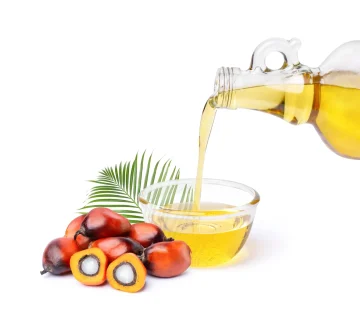
Vegetable suet is a culinary ingredient made from finely shredded vegetable fat. It serves as an excellent vegan-friendly alternative to traditional suet, which is derived from the hard fat found around the kidneys of cattle and sheep. Unlike its animal-based counterpart, vegetable suet is entirely plant-based, making it suitable for those adhering to vegetarian and vegan diets. Typically, vegetable suet is made from palm oil or a combination of vegetable oils, which are processed to mimic the texture and performance of animal suet.
The unique properties of vegetable suet make it a versatile ingredient in the kitchen. Its high melting point ensures it remains solid at room temperature, allowing it to be easily incorporated into various recipes. When heated, vegetable suet melts and releases its fat, creating a rich and moist texture in baked goods and savoury dishes. Its neutral flavour also makes it an ideal addition to both sweet and savoury recipes, enhancing the overall taste without overpowering other ingredients.
Furthermore, vegetable suet is a convenient option for those looking to reduce their intake of animal products. It comes pre-packaged and ready to use, saving time and effort in the kitchen. Whether you’re an experienced chef or a home cook, vegetable suet can add depth and satisfaction to your culinary creations, making it a valuable addition to any pantry.
The History of Suet in Cooking
Suet has a long and storied history in cooking, dating back centuries to traditional British cuisine. Historically, suet was prized for its ability to add richness and moisture to a variety of dishes, particularly during the colder months when hearty and warming meals were in high demand. Traditional dishes such as suet puddings, mince pies, and dumplings relied heavily on suet for their distinctive texture and flavour.
Historically, suet was sourced from animal fat, making it common in meat-heavy diets. As vegetarian and vegan lifestyles grew, the need for a plant-based alternative led to the creation of vegetable suet, which offers the same culinary benefits without animal products.
This innovation allowed more people to enjoy traditional recipes while providing a healthier option for reducing saturated fat intake, as many vegetable suet products use oils with better nutritional profiles. Today, vegetable suet remains a key ingredient in both classic and modern recipes, cherished for its role in comforting meals.
Nutritional Benefits of Vegetable Suet
One of the key advantages of vegetable suet is its nutritional profile, which offers several benefits over traditional animal suet. While both types of suet are high in fat, vegetable suet tends to contain lower levels of saturated fat, making it a healthier option for those concerned about heart health. Many vegetable suet products are made from oils such as palm oil, which contain a balance of saturated and unsaturated fats.
Vegetable suet not only has lower saturated fat but is also cholesterol-free, making it a great option for managing cholesterol levels. Since cholesterol is found only in animal products, vegetable suet supports a balanced diet, especially for those on plant-based diets or reducing animal fats.
Additionally, vegetable suet provides essential fatty acids vital for brain function, skin health, and inflammation regulation. Incorporating it into your cooking allows you to enjoy these nutritional benefits while achieving the rich textures suet is known for.
How to Use Vegetable Suet in Your Recipes
Using vegetable suet in recipes is simple and can enhance various dishes. It’s commonly used in baking to create light, fluffy pastries, cakes, and puddings by substituting it for traditional suet in equal amounts. Its high melting point ensures even distribution, resulting in a tender, moist product.
Vegetable suet is also great for savoury dishes like dumplings, pies, and stuffing. For dumplings, mix vegetable suet with flour, baking powder, and salt to form a dough. Drop spoonfuls into simmering stews or soups, allowing them to cook until light and fluffy, adding rich flavour and satisfying texture.
For savoury pies and pastries, vegetable suet can be used to create a flaky and tender crust. Incorporate it into your pastry dough by mixing it with flour and a small amount of water until a dough forms. Roll out the dough and use it to line your pie dish or create a top crust. The suet will melt during baking, resulting in a deliciously crisp and golden pastry that complements the filling perfectly.
Popular Dishes Featuring Vegetable Suet
Vegetable suet can be used to create comforting dishes like steamed pudding. Classic desserts, such as Christmas pudding or spotted dick, rely on suet for their moist texture. Using vegetable suet allows you to make vegan-friendly versions that retain the rich flavours and satisfying textures.
Another popular dish is the suet crust pie, perfect for colder months. Prepare a filling, such as a savoury meat or vegetable stew, and make a pastry dough with vegetable suet and flour. Line your pie dish, add the filling, cover with a top crust, and bake until golden.
Dumplings are also a favourite made with vegetable suet. These fluffy additions can enhance stews, soups, or casseroles. To make suet dumplings, mix vegetable suet with flour, baking powder, and salt, then add water to form a dough. Drop the mixture by the spoonful, into your simmering dish, and cook until soft and delicious.
Substitutes for Vegetable Suet
Vegetable suet is versatile, but there are substitutes when needed. Vegan margarine or shortening can replace it in equal amounts, providing similar fat content and moisture.
Coconut oil is another option that mimics suet’s properties due to its high melting point. It serves as a one-to-one substitute in sweet and savoury dishes, offering a mild flavour, though it may impart a slight coconut taste, making it best for complementary recipes.
Grated vegetable shortening or chilled, grated nut butters are whole-food alternatives to vegetable suet. They offer similar texture and fat content, making them suitable for baking and cooking. Experimenting with these substitutes can help you find the best option for your needs, ensuring your dishes remain delicious and satisfying.
Tips for Storing and Handling Vegetable Suet
Proper storage and handling of vegetable suet are essential to maintain its quality and ensure it performs well in your recipes. Vegetable suet should be stored in a cool, dry place, away from direct sunlight and heat sources. Keeping it in an airtight container can help prevent exposure to moisture and air, which can cause the suet to spoil or become rancid over time.
To extend the shelf life of vegetable suet, store it in the refrigerator or freezer. For refrigeration, use an airtight container or resealable bag to prevent odour absorption. For longer storage, portion the suet, wrap each portion tightly in plastic wrap or foil, and place it in a freezer-safe container or bag.
Keep vegetable suet cold until ready to use to maintain its solid texture for easier incorporation into recipes. If it softens, briefly chill it in the refrigerator to firm it up again. Following these tips will keep your vegetable suet fresh and ready for cooking.
Common Myths About Vegetable Suet
Myths about vegetable suet often discourage its use in cooking. A common misconception is that it lacks the rich flavour and texture of animal suet. In truth, vegetable suet is crafted to mimic these properties, offering moisture and richness without sacrificing taste. Its neutral flavour blends well into both sweet and savoury recipes, enhancing dishes without overpowering other ingredients.
Another myth is that vegetable suet is unhealthy due to its fat content. While it’s true that vegetable suet is high in fat, it often contains lower levels of saturated fat compared to animal suet. Many vegetable suet products are made from oils with a better nutritional profile, making them a healthier option for those concerned about heart health. Additionally, vegetable suet is free from cholesterol, making it a suitable choice for individuals looking to manage their cholesterol levels.
Some people also believe that vegetable suet is difficult to use or requires special preparation. In reality, vegetable suet is incredibly easy to work with and can be used in the same way as traditional suet. It comes pre-packaged and ready to use, saving time and effort in the kitchen. By dispelling these myths, more people can discover the benefits of vegetable suet and incorporate it into their cooking with confidence.
Where to Buy Quality Vegetable Suet
Finding quality vegetable suet is essential to achieving the best results in your cooking. Many supermarkets and health food stores carry vegetable suet in their baking or specialty food aisles. Look for reputable brands that use high-quality ingredients and sustainable practices. Reading reviews and product labels can also help you make an informed decision when selecting vegetable suet.
Online retailers are a great source for purchasing vegetable suet. Specialty food stores and vegan grocery websites often offer a variety of options. Shopping online lets you compare different brands and read customer reviews to find the best product for your needs. Plus, the convenience of home delivery saves you time
When buying vegetable suet, consider the packaging and storage recommendations to ensure the product remains fresh and usable. Look for suet that comes in airtight packaging to prevent exposure to moisture and air. Checking the expiration date is also important to ensure you’re purchasing a product that will last. By sourcing quality vegetable suet, you can enhance your culinary creations and enjoy the rich flavours and textures it brings to your dishes.
Conclusion: Embracing Vegetable Suet in Your Culinary Adventures
Vegetable suet is a versatile and valuable ingredient that can elevate your cooking to new heights. Whether you’re crafting a classic pudding, hearty dumplings, or a sumptuous pie, understanding the nuances of vegetable suet can transform your dishes and bring depth and satisfaction to your meals. With its unique properties, nutritional benefits, and ease of use, vegetable suet is a fantastic addition to any kitchen.
By exploring the history of suet in cooking, you can appreciate the rich culinary traditions that have relied on this ingredient for centuries. Embracing vegetable suet allows you to honour these traditions while adapting them to modern dietary preferences. Its plant-based nature makes it suitable for vegetarians and vegans, while its nutritional profile offers a healthier alternative to traditional suet.
Incorporating vegetable suet into your recipes expands your culinary possibilities, from classic British puddings to savoury dishes. With proper storage and handling, you can keep it fresh for whenever inspiration strikes. By understanding common myths and suitable substitutes, you can confidently create delicious meals that nourish both body and soul. Embrace vegetable suet in your cooking and discover how it can transform your dishes into rich, comforting masterpieces.