In a world increasingly focused on health and nutrition, margarine has undergone a remarkable transformation, evolving from a mere butter alternative to a beloved kitchen staple. Once hailed as an innovative solution born out of necessity, it has now established itself as a versatile ingredient that is redefining our culinary landscape. This fascinating evolution is not just about dietary preferences; it is a reflection of our changing values, tastes, and the ongoing quest for healthier options. From its inception in the 19th century to its contemporary incarnations, margarine has adapted, reinvented, and carved out a unique niche. Join us as we delve into the rich history of margarine, exploring its ups and downs, the science behind its creation, and its journey into the hearts and kitchens of many. Discover how this unassuming spread has become a staple for both home cooks and professional chefs alike, influencing cuisines across the globe.
The Origins of Margarine: A Historical Overview
The story of margarine begins in the mid-19th century, during a period marked by innovation and an urgent need for food solutions for the masses. In 1869, French chemist Hippolyte Mège-Mouriès invented margarine in response to a challenge posed by Emperor Napoleon III. The aim was to create a cost-effective substitute for butter that would be accessible to both the military and lower-income families. Mège-Mouriès’s creation was initially derived from beef tallow and skimmed milk, forming an emulsion that closely resembled butter in texture and taste.
Margarine’s introduction to the market was met with a mix of excitement and scepticism. It provided a practical and affordable alternative to butter, which was a luxury many could not afford. However, it also faced resistance from dairy farmers and butter producers who saw it as a threat to their livelihood. As margarine production methods improved, it began to gain acceptance, especially in urban areas where butter was less readily available. The spread of margarine across Europe and eventually to the United States marked the beginning of its journey from a novelty to a household staple.
Throughout the late 19th and early 20th centuries, margarine underwent significant transformations. Advances in food science and technology allowed for the use of vegetable oils instead of animal fats, making the product more versatile and appealing to a broader audience. The addition of vitamins and other nutrients further enhanced its nutritional profile, positioning margarine as not just a butter substitute, but a valuable food item in its own right. Its evolution during this period laid the foundation for the diverse and innovative margarine products we see today.
The Science Behind Margarine: Ingredients and Production
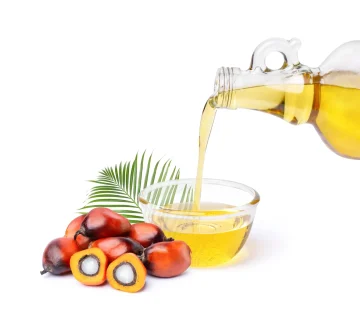
The production of margarine combines chemistry and culinary expertise, resulting in a stable emulsion of oil and water. Key ingredients include vegetable oils, water, emulsifiers, and sometimes milk solids. Common oils like soybean, palm, sunflower, and canola each add unique properties.
The process begins with refining and hydrogenating vegetable oils, converting unsaturated fats into a more solid form to improve texture and shelf life. While hydrogenation can create trans fats linked to health issues, manufacturers now use methods like interesterification to reduce them.
Emulsifiers, such as lecithin and mono and diglycerides, keep the oil and water mixed, creating a smooth consistency. Flavourings, colourings, and vitamins may also be added. The final product is chilled and churned before packaging for consumers.
Margarine vs Butter: Nutritional Comparisons
The debate between margarine and butter has long been a topic of interest for nutritionists and consumers alike. At first glance, the two spreads may seem similar, but their nutritional profiles reveal significant differences. Butter is a natural dairy product made by churning cream, resulting in a high-fat content primarily composed of saturated fats. It also contains cholesterol and is a source of vitamins A, D, E, and K. While butter’s rich flavour and creamy texture are unmatched, its high saturated fat content has raised health concerns, particularly regarding cardiovascular disease.
Margarine, on the other hand, is made from vegetable oils, which predominantly contain unsaturated fats. These fats are considered healthier than saturated fats, as they can help reduce bad cholesterol levels and lower the risk of heart disease. However, the hydrogenation process used to solidify margarine can produce trans fats, which are even more harmful than saturated fats. In response to growing health concerns, many modern margarines are now formulated to be trans fat-free, using alternative methods to achieve the desired consistency.
Margarine and butter differ in micronutrient profiles. Margarine is often fortified with vitamins A and D, and some varieties contain omega-3 fatty acids for heart health. Butter naturally provides these vitamins, but amounts vary based on cows’ diets. When choosing between the two, consider nutritional content, dietary context, and personal health goals.
The Role of Margarine in Culinary Practices
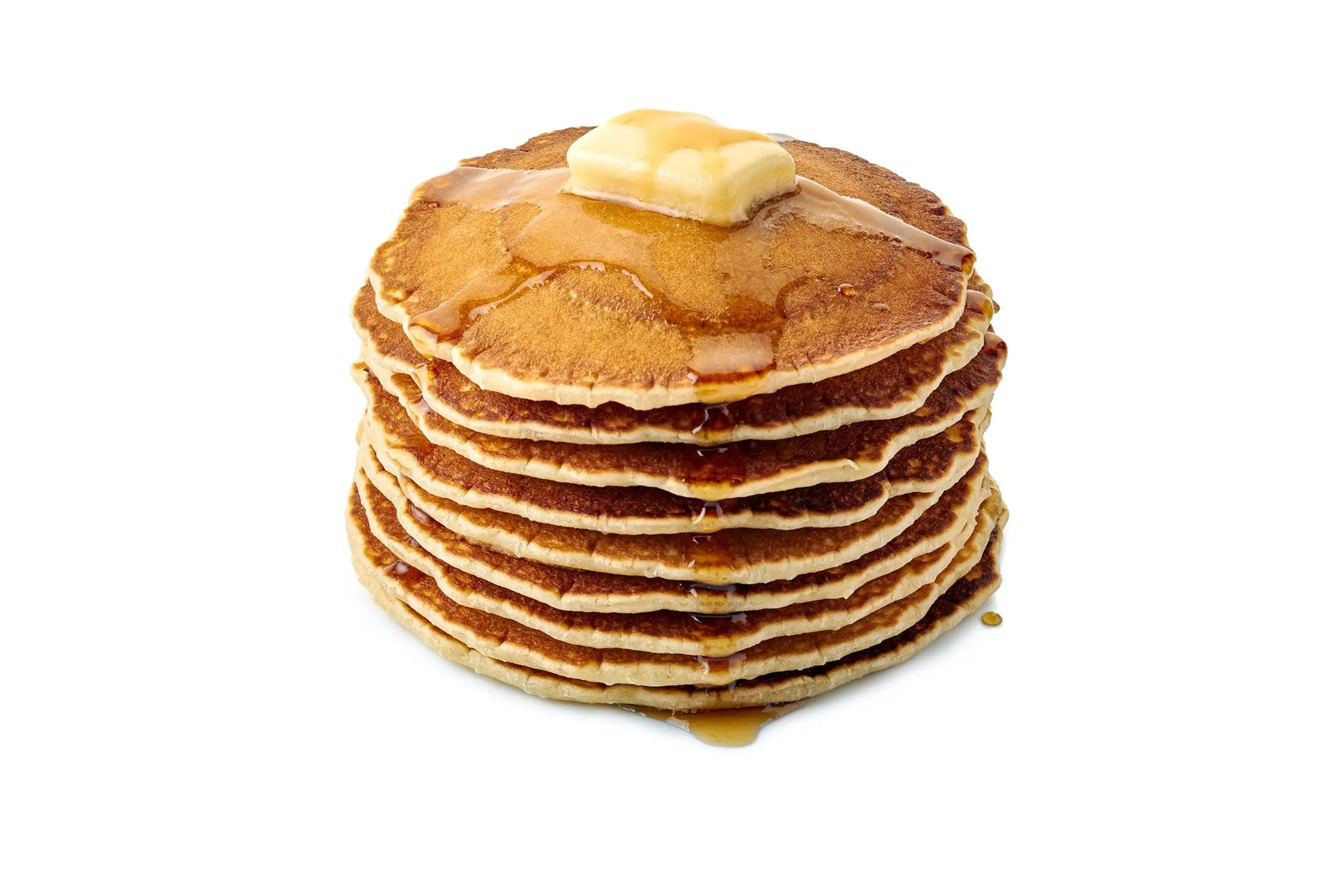
Margarine’s versatility makes it a valuable ingredient in many culinary applications. Its ability to mimic butter while offering distinct advantages has led to its popularity in both home and professional kitchens. One key benefit is its stability at room temperature, making it easy to spread on bread and ideal for quick meals.
In baking, margarine can substitute for butter, often resulting in lighter, fluffier goods due to its higher water content. The variety of flavours allows for creativity, such as using olive oil margarine for unique tastes.
In savoury cooking, margarine enhances dishes with its melting properties, making it suitable for sautéing, sauces, and frying. Its adaptability and convenience have solidified margarine’s role in the culinary world, enabling chefs and home cooks to explore new possibilities.
The Rise of Plant-Based Margarine: Trends and Innovations
As consumer preferences shift towards healthier and more sustainable options, plant-based margarine has emerged as a significant trend in the food industry. Traditional margarine, while already plant-based in its use of vegetable oils, has evolved to include formulations that cater specifically to vegan and health-conscious consumers. These modern margarines are free from animal products, trans fats, and often feature organic and non-GMO ingredients. The rise of plant-based margarine reflects a broader movement towards plant-based diets, driven by concerns about health, environmental impact, and animal welfare.
Innovations in plant-based margarine have led to products that exceed consumer expectations for taste, texture, and nutrition. Advances in food technology now allow manufacturers to create margarine that mimics the creamy mouthfeel and rich flavour of butter using ingredients like coconut oil, avocado oil, and nut butters. Many formulations also include added health benefits such as omega-3 fatty acids, fibre, and probiotics.
The popularity of plant-based margarine has inspired culinary creativity, with chefs and home cooks creating vegan pastries, dairy-free sauces, and versatile spreads. This trend represents a significant shift in the food landscape, emphasising sustainability, health, and inclusivity in modern cuisine.
Margarine in Popular Culture: Advertising and Perception
Margarine’s journey into popular culture has been shaped by decades of advertising and marketing efforts aimed at positioning it as a desirable and practical alternative to butter. Early advertisements often focused on margarine’s affordability and convenience, appealing to budget-conscious consumers and busy homemakers. These campaigns emphasised the product’s versatility and ability to enhance everyday meals, helping to establish margarine as a household staple.
In the mid-20th century, margarine marketing took on a more health-focused approach, highlighting its lower saturated fat content compared to butter. As public awareness of heart disease and cholesterol grew, margarine was promoted as a healthier choice for those looking to reduce their intake of animal fats. This shift in messaging helped to further cement margarine’s place in the diet of health-conscious consumers, particularly during the 1960s and 1970s when the low-fat craze was at its peak.
Over the years, the perception of margarine has evolved, reflecting changes in consumer values and preferences, but its presence in popular culture remains strong.
Sustainable Margarine: Eco-Friendly Practices in Production
Sustainability has become a key consideration in the production of margarine, as consumers and companies alike recognise the importance of reducing environmental impact. The use of sustainable and responsibly sourced ingredients is one of the primary ways manufacturers are addressing this issue. For instance, the palm oil used in margarine production has been a major focus of sustainability efforts, given its association with deforestation and habitat destruction. Many companies now source palm oil that is certified by organisations such as the Roundtable on Sustainable Palm Oil (RSPO), which sets standards for environmentally and socially responsible production.
Margarine manufacturers are adopting eco-friendly practices alongside sourcing sustainable ingredients. This includes reducing energy and water consumption, minimising waste, and implementing recycling programs. Some companies are exploring innovative packaging solutions like biodegradable or recyclable materials to lessen their environmental impact.
Sustainability efforts extend to the entire supply chain, promoting practices such as crop rotation, organic farming, and renewable energy use among farmers and suppliers. This holistic approach ensures that margarine products are healthier for consumers and better for the environment, aligning with the values of today’s eco-conscious consumers.
Future Trends in Margarine: What’s Next for this Kitchen Staple
The future of margarine is poised to be shaped by several emerging trends and innovations that reflect changing consumer preferences and advancements in food technology. One of the most exciting developments is the rise of personalised nutrition, where products are tailored to meet the specific dietary needs and health goals of individuals. This could involve the creation of margarine fortified with targeted nutrients, such as vitamins, minerals, or functional ingredients like probiotics and antioxidants, offering personalised health benefits to consumers.
Another trend that is likely to influence the future of margarine is the growing interest in plant-based and clean-label products. As more consumers adopt plant-based diets and seek out products with minimal processing and natural ingredients, margarine manufacturers will continue to innovate to meet these demands. This could lead to the development of new plant-based margarine formulations that use alternative oils and ingredients, such as algae oil or pea protein, to enhance nutritional value and sustainability.
Technological advancements in food science are also expected to play a significant role in the future of margarine. Techniques such as precision fermentation and cellular agriculture could revolutionise the way margarine is produced, creating new opportunities for innovation and sustainability. These technologies have the potential to reduce the environmental impact of margarine production, while also offering new flavours, textures, and health benefits. As the food industry continues to evolve, margarine is set to remain a dynamic and versatile staple in kitchens around the world.
Conclusion: The Enduring Legacy of Margarine in Modern Cooking
Margarine’s transformation from a butter alternative to a kitchen staple showcases its adaptability and appeal. Driven by scientific innovation and changing consumer preferences, it has evolved since the 19th century to meet modern needs. Today, margarine is a versatile ingredient that enhances flavour, texture, and nutrition in various culinary applications. As it continues to embrace health and sustainability, margarine’s evolution is set to endure, ensuring its relevance in kitchens for generations to come.